
How to Sync Visual Cuts With Musical Rhythm
Creating compelling visual content requires more than just aesthetics; it demands a deliberate orchestration of rhythm and flow. Visual rhythm refers to the timing and pacing of cuts and transitions, which can significantly influence a viewer’s emotional response. When done correctly, it enhances the narrative, making scenes more engaging and memorable.
The impact of visual rhythm is apparent in various genres, from fast-paced action sequences to emotionally charged dramas. Each cut, transition, and frame should serve the story’s rhythm, whether it’s to build suspense, evoke emotion, or provide relief. Mastering this rhythm is crucial for filmmakers and editors who wish to elevate their storytelling craft, often supported by Cinematic video services.
In addition to enhancing storytelling, visual rhythm can guide viewers’ focus, direct their emotional journey, and maintain their engagement. When synchronized with music, this rhythm becomes more pronounced, creating a seamless audiovisual experience that resonates with audiences on a deeper level.
The Relationship Between Music and Visual Cuts
Music and visual cuts are intertwined in creating an immersive viewing experience, a process often executed by a video production house in Pakistan. Music sets the tone and mood, while visual cuts provide the structure to support it. Together, they form a cohesive narrative that can evoke specific emotions and reactions from the audience.
The rhythm of music can dictate the pace of visual cuts. Fast beats might call for quick cuts to convey urgency or excitement, whereas slower tempos might require elongated scenes for dramatic effect. This interplay between audio and visual elements is essential in maintaining the viewer’s attention and enhancing the storytelling arc.
Understanding music theory, such as tempo, beat, and dynamics, can significantly aid in aligning visual cuts with musical rhythm. By identifying key moments in the music and syncing visual transitions accordingly, editors can create a more dynamic and engaging narrative flow.
Analyzing Popular Techniques for Syncing Cuts with Rhythm
There are several established techniques for syncing visual cuts with musical rhythm that have been used successfully in various films and videos, often utilized by a Video production company. Understanding these methods can help you develop your editing skills and create more compelling content.
- Beat Matching: This involves aligning cuts directly with the beats of the music. It’s particularly effective in music videos and action sequences where the energy and pace are crucial.
- Cross-Cutting: This technique involves alternating between different scenes to create tension or highlight parallels, often synced with the rhythm to maintain coherence.
- Montage Editing: By using a series of quick cuts set to music, montages can convey a lot of information quickly, making them a staple in sports and training sequences.
Experimenting with these techniques can lead to new discoveries and help you find the best method for your specific project. It’s important to consider the narrative context and the emotional impact you wish to achieve when choosing a technique.
Tools and Software for Editing to Musical Beats
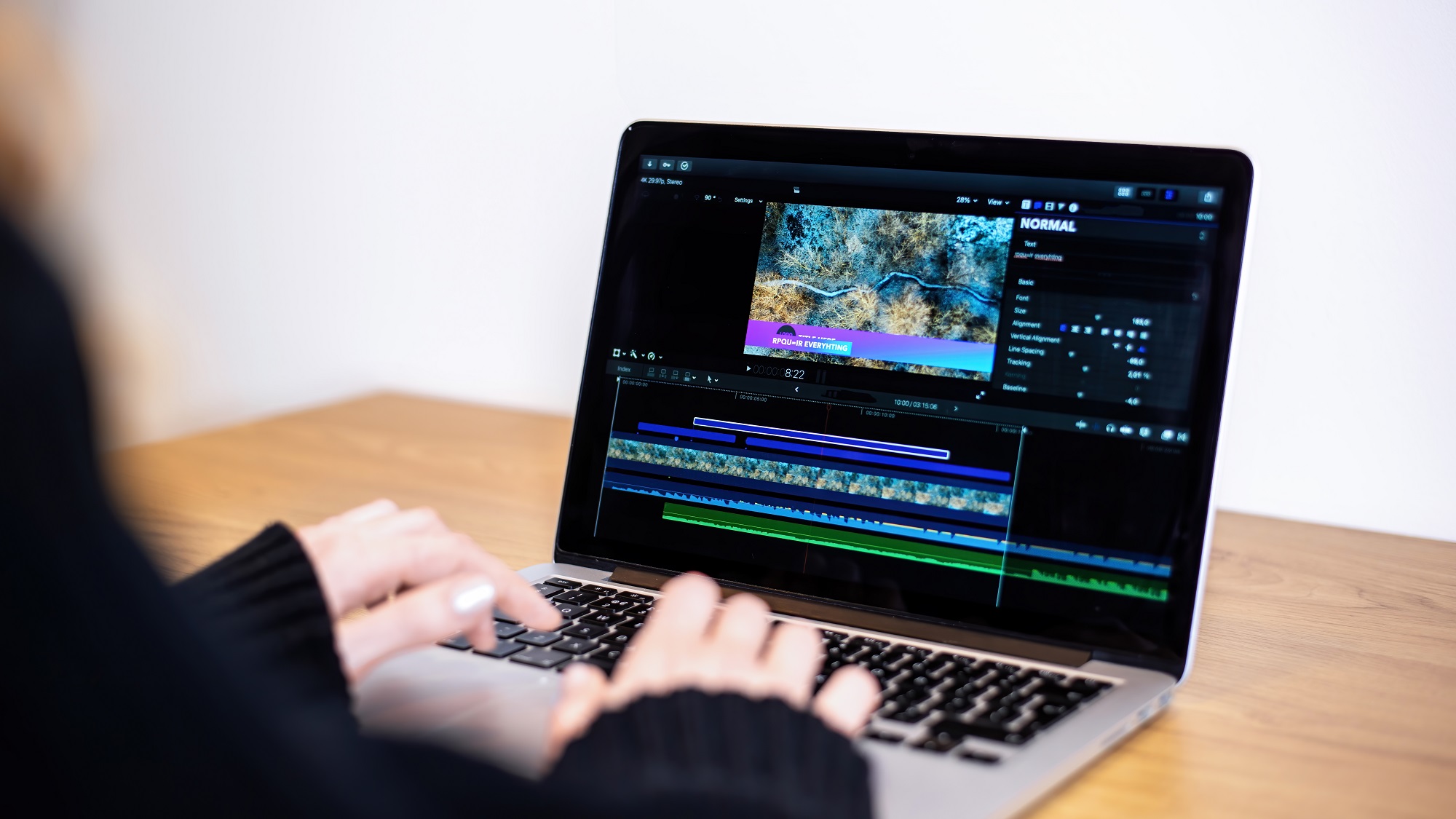
The right tools and software can significantly simplify the process of syncing visual cuts to musical rhythm. There are numerous editing programs designed to help you achieve precise sync with minimal effort.
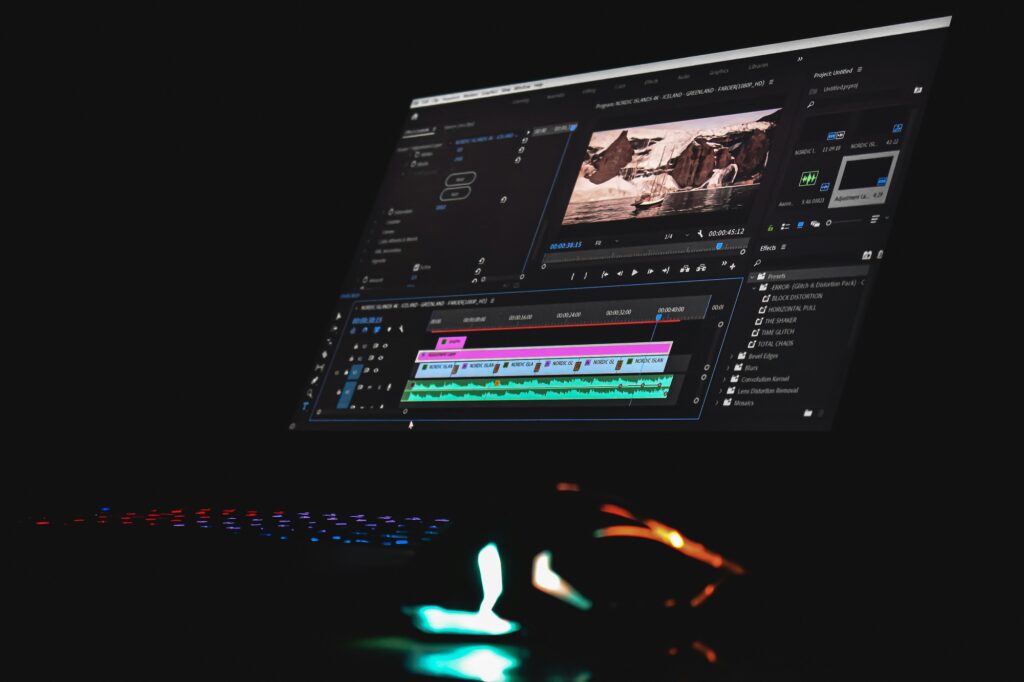
1. Adobe Premiere Pro: Known for its versatility, Premiere Pro offers features like beat markers and audio waveform analysis, making it easier to align cuts with music.
2. Final Cut Pro: This software provides advanced audio editing capabilities and supports plugins that can automatically detect beats, streamlining the editing process.
3. DaVinci Resolve: This program offers robust audio-post production tools alongside its renowned color grading capabilities, allowing for precise synchronization of audio and visual elements.
These tools are equipped with features that cater to both beginners and advanced users. Investing time in mastering these softwares can greatly enhance your ability to edit to musical rhythm effectively.
Practical Steps to Achieve Perfect Sync in Your Edits
Achieving perfect sync between visual cuts and musical rhythm involves a combination of technical skill and artistic intuition. Here are some practical steps to guide you in your editing process:
- Plan Your Edit: Before you start cutting, listen to the music thoroughly. Identify key moments, beats, and changes in tempo that can dictate the pacing of your cuts.
- Use Beat Markers: Most editing software allows you to place markers on the timeline. Use these to mark significant beats or moments in the music, which can serve as guides for your cuts.
- Adjust Timing: Fine-tune the timing of your cuts to match the music. Sometimes a few frames can make a significant difference in achieving the perfect sync.
By following these steps, you can ensure that your edits are tightly integrated with the music, creating a more engaging and harmonious viewing experience.
Tips for Developing Your Unique Style in Editing
Developing a unique editing style that effectively syncs visual cuts with musical rhythm takes practice and experimentation. Here are some tips to help you on this journey:
- Study Various Genres: Analyze how different genres utilize rhythm and music. This can broaden your understanding and inspire creative approaches in your work.
- Experiment with Techniques: Don’t be afraid to try new methods or combine different techniques. Innovation often comes from stepping outside conventional boundaries.
- Seek Feedback: Share your work with peers or mentors to gain constructive feedback. This can provide fresh perspectives and help you refine your editing style.
By continuously learning and experimenting, you can develop a distinctive editing style that resonates with audiences and enhances your storytelling abilities.
Common Mistakes to Avoid When Syncing Cuts with Music
While syncing visual cuts with musical rhythm can elevate your work, there are common pitfalls to be aware of. Avoiding these mistakes can ensure a more polished and professional final product.
- Over-Syncing: While alignment is crucial, over-syncing can lead to a mechanical feel. Allow for some natural flow and variation to maintain authenticity.
- Ignoring the Narrative: Music should enhance the story, not overshadow it. Ensure that your cuts serve the narrative and don’t distract from the plot.
- Neglecting Audio Levels: Proper audio mixing is essential. Ensure that the music complements the visuals without overpowering dialogue or sound effects.
By being mindful of these common errors, you can create a more cohesive and impactful audiovisual experience.
Resources for Further Learning: Courses and Tutorials
To continue improving your skills in syncing visual cuts with musical rhythm, consider exploring these resources:
- Online Courses: Platforms like Coursera and Skillshare offer courses specifically focused on video editing and music synchronization.
- YouTube Tutorials: Channels dedicated to film editing often provide free tutorials that teach new techniques and software tips. You can also find SAP-focused channels offering practical lessons to help you learn SAP retail step by step.
- Books: Consider reading books on film editing and music theory to deepen your understanding of the principles involved.
These resources can provide valuable knowledge and insights to help you master the art of syncing visual cuts with musical rhythm.
Conclusion: Elevating Your Editing Skills Through Rhythm
Mastering the art of syncing visual cuts with musical rhythm is a vital skill for any filmmaker or video editor. By understanding the relationship between music and visuals, analyzing successful techniques, and utilizing the right tools, you can create more engaging and compelling content.
As you continue to develop your skills, remember to experiment, seek feedback, and learn from both successes and mistakes. Incorporating rhythm into your editing process not only enhances your storytelling ability but also elevates your work to a new level of artistic expression.